
Tesla’s next electric-vehicle headline is not just about a car. It is about what happens after thousands of EV owners add batteries, solar and smart-home hardware to the grid. In a fresh announcement reported by Electrek, Tesla, Sunrun and Renew Home are teaming up to aggregate more than 16 gigawatts of home batteries, thermostats and other flexible devices into a giant virtual power plant aimed at one of the fastest-growing power loads in America: data centers.
A bigger role for Tesla Energy
The plan matters because it shifts Tesla further into the business of turning distributed batteries into grid infrastructure. Instead of waiting years for new transmission lines, substations or gas peaker plants, the companies say existing home battery systems and connected devices can be dispatched in months. Electrek reports the framework includes Sunrun and Tesla home battery capacity, plus more than 8 million smart thermostats and devices managed by Renew Home. The partners say the network could provide more than 16GW of capacity across major US electricity markets, with more than 300MW ready for immediate deployment in Virginia and a target of at least 500MW there by 2030.
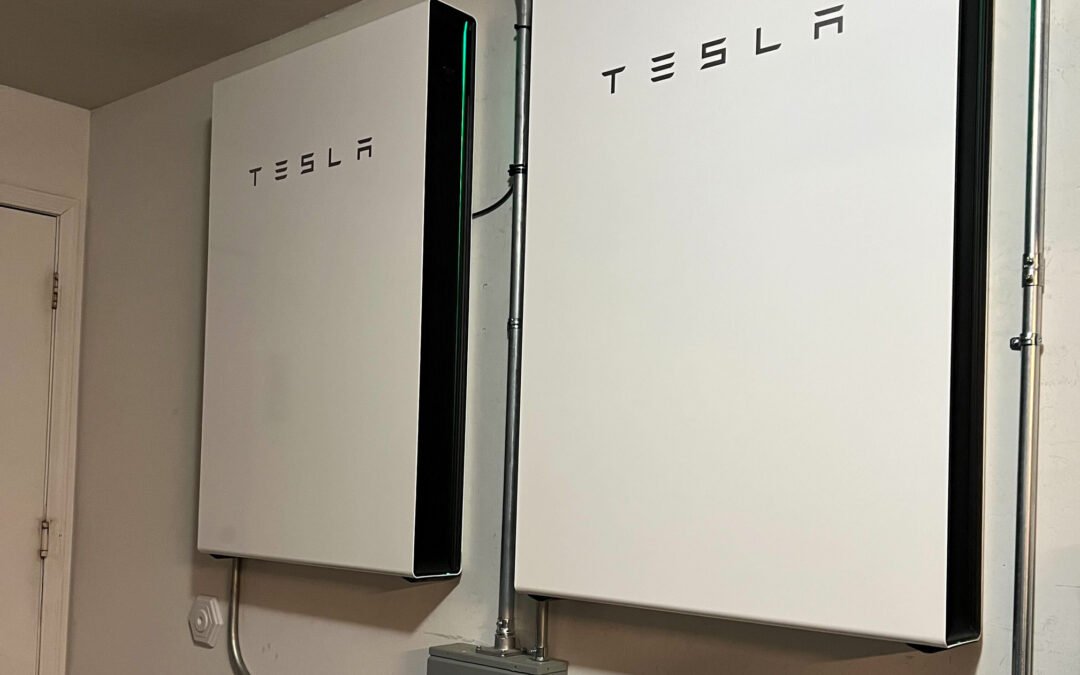
For EV drivers, the bigger takeaway is that the energy ecosystem around the car is becoming just as important as the vehicle itself. Tesla has long sold the idea of a connected garage: solar on the roof, a Powerwall on the wall and an EV in the driveway. A virtual power plant gives that hardware another job. During peak demand, batteries can help support the grid; when prices or stress ease, owners can recharge. If the model scales, it could make home energy storage more valuable and help utilities manage the growing loads created by EV charging, heat pumps and AI data centers.
Safety and sales keep Tesla in the spotlight
Tesla also picked up a more traditional vehicle win this week. Teslarati reported that the Insurance Institute for Highway Safety awarded the 2025-2026 Cybertruck crew cab its Top Safety Pick+ rating, making it a standout in the large-pickup class. The award applies to qualifying builds and gives Tesla a useful talking point at a time when the Cybertruck remains one of the most debated EVs on the road.
At the same time, the US EV market is sending mixed signals. InsideEVs, citing Cox Automotive estimates, reported that Tesla sold 117,300 vehicles in the US in the first quarter of 2026, down 8.4 percent year over year. Yet the broader market fell harder, allowing Tesla to gain share. The Model Y remains the key engine: InsideEVs noted that one in three EVs sold in America during the quarter was a Model Y, and that the crossover made up about two-thirds of Tesla’s own US sales. That is a reminder that, even when Tesla looks vulnerable, its core product lineup still has enormous pull.
BYD keeps pressure on charging
BYD is not standing still. Recent reports from Electrek and other EV outlets point to the Chinese automaker expanding its ultra-fast “Flash Charging” strategy beyond China, including hiring tied to a Canadian charging rollout and broader global interest in high-power charging. BYD’s pitch is simple: if charging feels closer to a fuel stop, more petrol-car drivers may be ready to switch. That puts pressure on every rival, including Tesla, to make both public charging and home energy smarter, faster and easier to understand.
The EV race is no longer only about who sells the most cars this quarter. Tesla is trying to turn batteries into grid assets, BYD is attacking charging anxiety, and buyers are watching price, safety and software more closely than ever. For EV enthusiasts, the good news is that competition is pushing the whole sector toward cleaner cars, faster charging and a more flexible electricity system.