
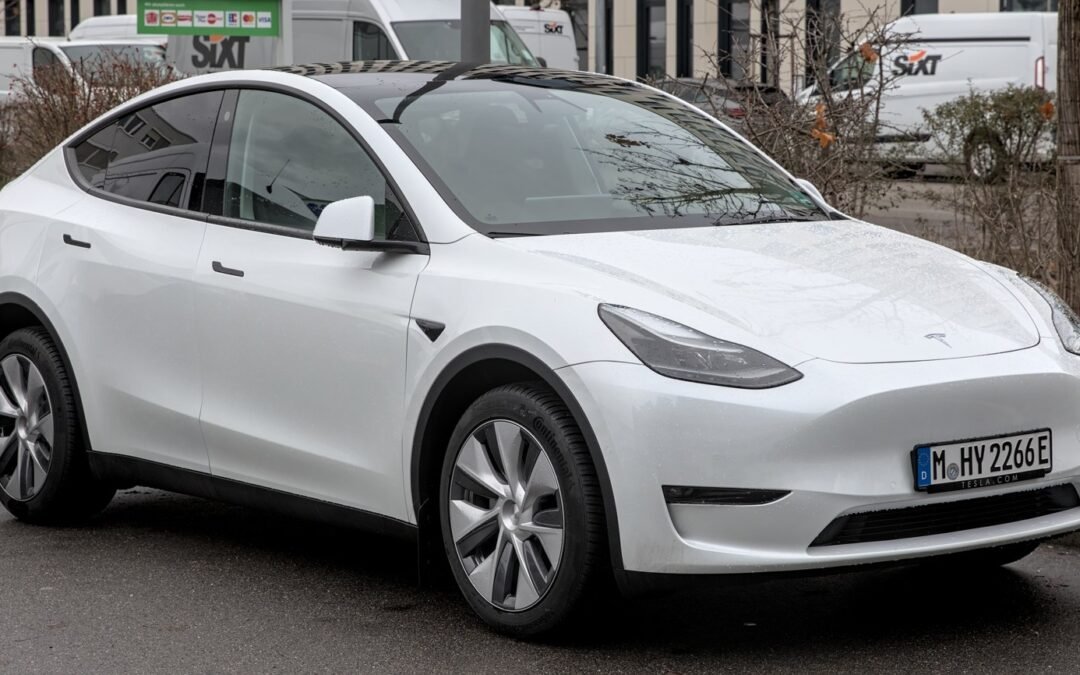
Tesla is back in the EV headlines, but this time the news is not just about sales momentum. A fresh U.S. recall covering nearly 219,000 vehicles has put the spotlight on a familiar electric-car question: when a car is defined by software, how quickly can a safety problem be found, fixed and explained to drivers?
The recall affects 218,868 Tesla vehicles in the United States, according to reports citing federal safety filings, after a software configuration was found to potentially delay the rearview camera image when a driver shifts into reverse. The delay can last up to 11 seconds, long enough to matter in a driveway, parking lot or tight urban street. Tesla’s fix is expected to arrive as an over-the-air software update rather than a workshop repair, a reminder that modern recalls can look more like a phone update than a traditional visit to a service bay.
A software fix, but a real safety issue
The affected vehicles reportedly include Model 3, Model Y, Model S and Model X versions equipped with Hardware 3 computers running certain software. While an over-the-air remedy is convenient for owners, the issue still matters because rear visibility is a regulated safety function, not a luxury feature. For Tesla, the episode reinforces both sides of its technology-first reputation: the company can distribute fixes rapidly, but the complexity of its software stack means seemingly small bugs can touch core driving functions.
The timing is especially interesting because Tesla has also just posted a major sales rebound. Tesla delivered 480,126 vehicles in the second quarter of 2026, up 25 percent year over year and well ahead of some analyst expectations, according to Electrek and other market reports. That result suggests demand has strengthened after a difficult period, with the Model 3 and Model Y still carrying the brand’s volume story. For shoppers, the message is mixed but important: Tesla’s scale is healthy again, yet buyers are increasingly judging EVs on ownership experience, safety communication and software reliability as much as acceleration or range.
BYD keeps the pressure on
Across the global EV race, BYD remains the company Tesla cannot ignore. BYD delivered 557,090 fully electric vehicles in Q2 2026, according to reports from Electrek and CnEVPost, keeping it ahead in the battery-electric volume contest. BYD’s strength is not only its sales total; it is the way the company spans budget city cars, family SUVs, plug-in hybrids, batteries and global export markets. In Australia, BYD’s growing model range and aggressive pricing strategy continue to shape consumer expectations around how affordable an EV should be.
Charging infrastructure is also moving in the background, and it remains the piece that can make or break mainstream EV adoption. Kempower and PowerUp America announced the opening of a public DC fast-charging site in Manchester, Kentucky, the first of 12 planned charging projects across the U.S. Southeast. It is a regional story, but the broader lesson is global: EV buyers notice when fast chargers appear outside the usual big-city corridors, and reliable charging access helps turn curiosity into ownership.
For EV enthusiasts, today’s takeaway is that the market is maturing fast. Tesla is proving it can rebound in deliveries while also being forced to show discipline on software safety. BYD is proving scale and price pressure are not going away. And charging networks are slowly filling in the map. The next phase of the EV race will be won not just by the flashiest car, but by the brand that makes electric driving feel dependable every day.