
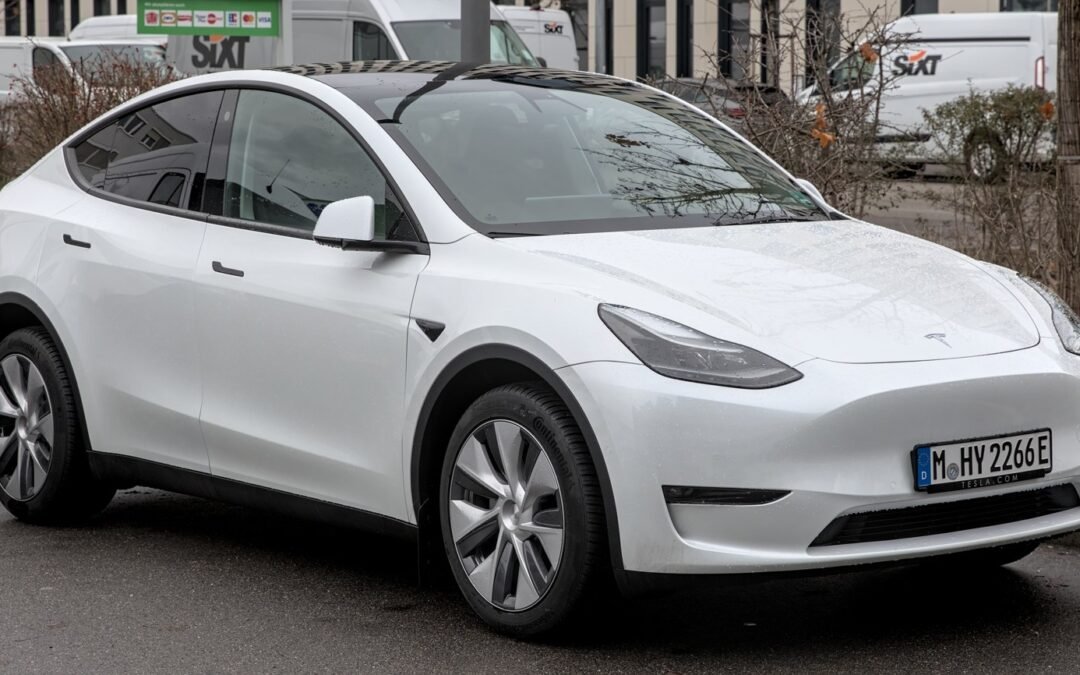
Tesla is heading into one of the most closely watched reporting moments of the EV year, with analysts looking for a rebound in second-quarter deliveries while rival BYD keeps widening its attack from affordable cars to software, charging and pickups. The headline number now circling the market is about 406,000 Tesla deliveries for Q2 2026, according to a consensus published by Electrek, a figure that would frame whether the company’s refreshed product line and regional demand recovery are enough to steady the brand after a tougher run.
Tesla’s delivery test arrives at a pivotal moment
For Tesla, the importance of the Q2 delivery figure is bigger than a single quarterly scorecard. The brand remains a benchmark for EV efficiency, charging access and software-led ownership, but it is also facing a market where buyers have more credible alternatives than ever. A result near the reported consensus would suggest Tesla is finding firmer footing, especially after signs of renewed European demand and continued interest in the Model Y. A miss would sharpen questions about pricing pressure, showroom traffic and how quickly Tesla can bring fresher, lower-cost products to market.
Energy storage is also becoming a bigger part of the Tesla story. The same consensus cited by Electrek points to expectations of sharply higher storage deployments in Q2, underlining how Tesla is increasingly judged as more than a carmaker. That matters for EV owners because battery scale, grid services and home energy products are all part of the wider electric transport ecosystem. The more batteries Tesla builds and deploys, the more leverage it has across vehicles, charging and energy management.
BYD keeps broadening the battlefield
BYD’s latest moves show why Tesla’s quarterly delivery number will be measured against a fast-changing competitive backdrop. Electrek reported that BYD’s plug-in hybrid pickup has been spotted in China with a different design, after the Shark 6-style ute already found traction in overseas markets. That is significant because pickups and utes remain emotional, high-volume categories in markets such as Australia, Thailand and Latin America. If BYD can combine rugged utility with battery-backed efficiency and competitive pricing, it can challenge combustion favourites in a segment where pure EV adoption has been slower.
BYD is also working on the less glamorous but crucial parts of EV ownership. Another recent report highlighted BYD’s push to make public charging and parking easier through app integration, including the ability to start and pay for parking from a notification. That kind of friction reduction matters. Range figures and acceleration times sell cars, but simple charging, payment and parking experiences keep owners happy after the purchase. For mainstream buyers moving from petrol to plug-in vehicles, convenience can be as persuasive as horsepower.
Charging policy remains a pressure point
The broader EV market still depends heavily on charging access and policy certainty. The International Energy Agency’s Global EV Outlook notes that charging incentives and infrastructure support remain key levers in many regions, with some programs facing expiry or redesign. For buyers, that means the sticker price of the car is only part of the decision. Home charging costs, workplace chargers, highway reliability and government support can all change the real-world value equation.
The takeaway for EV enthusiasts is clear: the next phase of the race will not be won by one headline number alone. Tesla needs a convincing delivery result and continued energy momentum, while BYD is pushing into more vehicle categories and smoothing out ownership pain points. For shoppers, that competition is good news. More models, better charging experiences and sharper pricing should make the electric switch easier than ever.