
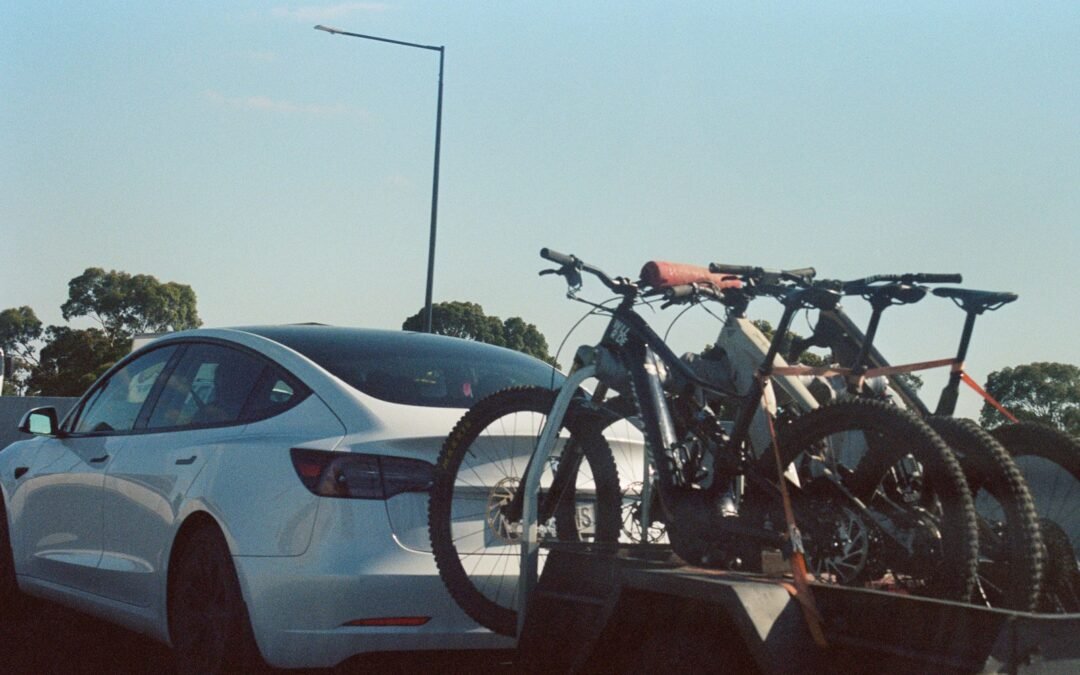
Tesla is heading into its second-quarter delivery report with a number that looks respectable at first glance but exposes a bigger challenge for the world’s most closely watched electric-vehicle brand. According to a fresh Electrek report published on June 26, Tesla’s own company-compiled analyst consensus expects 406,024 global vehicle deliveries for Q2 2026. That would be up 5.7% from the same quarter last year, but it also suggests Wall Street is no longer expecting the kind of rapid volume growth that once defined the Tesla story.
Tesla’s bar is rising, but not fast enough
The consensus is based on 22 sell-side analysts and points to 392,625 Model 3 and Model Y deliveries, with fewer than 13,000 vehicles expected from the “all other models” bucket that includes Model S, Model X and Cybertruck. That mix matters. Tesla still depends heavily on the Model 3 and Model Y, while its newer and higher-margin nameplates appear to be contributing only a small slice of volume.
The full-year picture is even more telling. Analysts cited in the report expect Tesla to deliver about 1.65 million vehicles in 2026, only slightly above its roughly 1.64 million deliveries in 2025. In practical terms, that is almost flat growth for a company still valued as a technology-led growth automaker. Tesla’s energy-storage business remains a bright spot, with analysts looking for a sharp jump in deployments, but vehicle sales are the headline figure most EV shoppers and investors will watch when the quarter closes.
BYD keeps broadening the fight
BYD is not standing still while Tesla tries to prove it can reaccelerate. Electrek also reported on June 26 that BYD’s plug-in hybrid pickup, sold overseas as the Shark or Shark 6, has been spotted testing in China with Fang Cheng Bao branding. The Shark is already available in markets including Australia, Mexico, Brazil, Chile and Peru, with Europe and the UK expected to follow. A China-market launch is expected by late 2026, potentially giving BYD another weapon in a segment traditionally dominated by diesel and petrol utes.
The pickup’s formula is important for mainstream buyers: a rugged body, dual electric motors, all-wheel drive and a battery large enough for meaningful electric-only driving, backed by a petrol engine for long-distance flexibility. In Australia, where utes are central to the vehicle market, products like this show how electrification can move beyond city hatchbacks and family SUVs into workhorse territory.
Legacy brands sharpen their EV plans
Elsewhere in the EV market, legacy carmakers are making moves of their own. Jeep has opened orders for the 2026 Recon EV Moab at $66,995 in the US, though its official EPA-estimated range of 222 miles lands below earlier expectations. The Recon still brings serious off-road hardware, dual-motor all-wheel drive and a claimed 650 horsepower, but the price-and-range equation will be closely watched by buyers comparing it with more road-focused electric SUVs.
General Motors is also reportedly preparing the next generation of its dedicated EV architecture, with the next Chevy Equinox EV expected to be among the first models to use it near the end of the decade. The current Equinox EV has become one of GM’s strongest electric offerings, so better efficiency, faster charging and a more advanced software stack could help the brand stay competitive as Tesla, Hyundai, BYD and others keep lowering the cost and improving the capability of mainstream EVs.
The takeaway for EV enthusiasts is simple: the market is getting more competitive just as Tesla’s growth curve looks less dramatic. Tesla still has scale, charging strength and brand awareness, but BYD’s product spread and the improving efforts from established automakers mean 2026 is shaping up as a year where execution matters more than hype.