
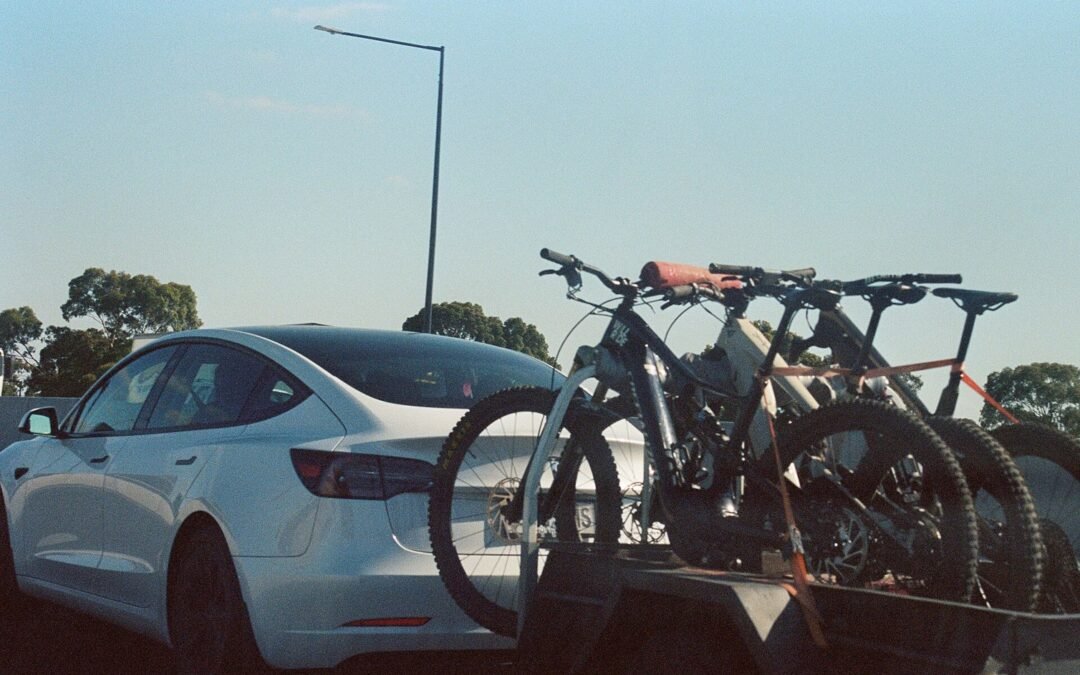
Tesla is back at the centre of the electric-car conversation as investors and EV watchers count down to the company’s second-quarter delivery update. The latest company-compiled analyst consensus, reported by Tesla-focused outlets, points to expectations of around 406,000 deliveries for Q2 2026, with separate Wall Street estimates ranging higher. For buyers, rivals and shareholders alike, that number matters because it will help show whether Tesla’s global demand is stabilising after a choppier period for the brand.
Tesla’s delivery number is the market’s next big signal
The strongest fresh EV story today is not a new model reveal, but a numbers story: how many cars Tesla can put into customer hands as competition intensifies. Teslarati reported that Tesla’s Q2 delivery consensus sits at 406,024 vehicles, while another recent analyst note cited by the same outlet said Goldman Sachs had lifted its own Q2 estimate to 420,000 units from 405,000. Not a Tesla App also noted that Tesla’s official delivery figures are expected around July 2, ahead of the company’s Q2 earnings release later in July.
That makes the next delivery print a useful health check for the wider EV market. Tesla remains one of the few manufacturers whose quarterly deliveries can move sentiment across the entire sector. A stronger-than-expected figure would suggest that price adjustments, Model Y demand, software-led features and Tesla’s charging ecosystem are still giving the brand meaningful pull. A softer figure would reinforce the view that Tesla faces tougher pressure from lower-cost Chinese rivals, established brands and changing subsidy settings in key markets.
BYD keeps widening the battlefield
BYD is the obvious counterweight. CnEVPost reported that BYD is preparing to launch the Seal 08 sedan on July 2, expanding its Ocean range and pushing further into more premium territory. That follows a run of aggressive model activity from the Chinese giant, including new Seal and Seagull variants earlier this year and continued emphasis on Blade Battery technology and fast-charging capability. For Australian EV followers, BYD’s pace matters because the brand has rapidly become one of the most visible alternatives to Tesla in the local market, with a growing showroom footprint and a broadening line-up.
The broader EV backdrop is just as important. The International Energy Agency’s Global EV Outlook 2026 says electric-car sales are still rising globally, even as some markets experience slower growth and policy changes. Charging remains a major battleground, too: the IEA highlighted continued innovation in battery and charging systems, including BYD’s high-power “flash” charging push. Meanwhile, new electric vans, affordable pickups and battery supply deals from brands such as Kia and Slate show that the next phase of EV growth is spreading beyond familiar passenger SUVs.
What it means for EV buyers
For everyday drivers, the takeaway is simple: the EV race is becoming less about one breakthrough car and more about execution. Tesla needs to prove it can keep volume moving while building excitement around autonomy and next-generation products. BYD needs to show that its rapid-fire launch strategy can translate into trust, service support and long-term brand loyalty outside China. Legacy brands and start-ups are trying to squeeze into the gaps with cheaper models, commercial EVs and better charging access.
The next few days should give EV enthusiasts a clearer read on momentum. If Tesla beats expectations and BYD’s new-model cadence keeps accelerating, the second half of 2026 could become one of the most competitive periods yet for electric cars — and that should mean more choice, sharper pricing and better technology for buyers.