
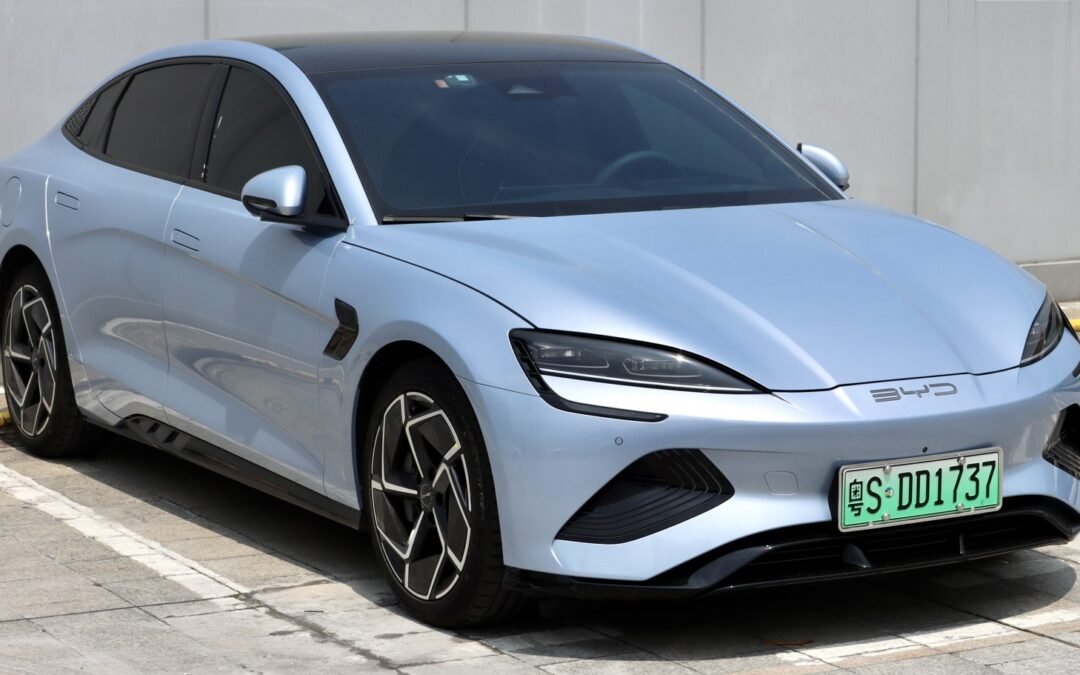
BYD is making another strong claim for the global electric-car crown, with fresh second-quarter figures showing the Chinese automaker delivered 557,090 fully electric vehicles between April and June. That number, reported by Bloomberg and Electrek, puts BYD in position to move back ahead of Tesla in the battery-electric race, with analyst expectations pointing to Tesla deliveries of around 396,000 vehicles when its official Q2 result lands.
BYD keeps turning scale into momentum
The headline is not just that BYD sold a lot of EVs; it is how broadly the company is now applying pressure. BYD has spent years building around batteries, affordable platforms and rapid model turnover, and the payoff is visible in the numbers. A quarterly total above half a million fully electric cars gives the brand a scale advantage that few automakers can match, especially as exports continue to become a bigger part of the story.
Tesla remains one of the most important forces in the EV market, but the competitive field around it is no longer waiting politely. BYD’s rise in Europe has become particularly hard to ignore, with recent market reports showing the Chinese brand gaining ground in countries where Tesla once looked almost untouchable. For buyers, that means more choice and sharper pricing. For Tesla, it means the Model 3 and Model Y have to fight harder against a wave of newer rivals arriving with aggressive equipment lists, localised pricing and fast-improving software.
The wider EV field is getting crowded
Supporting news from the past day shows that this is not only a BYD-versus-Tesla story. Hyundai said its IONIQ 5 topped 20,000 US sales in the first half of 2026, while its larger IONIQ 9 three-row SUV is gaining traction from a smaller base. That matters because family-focused electric SUVs are becoming one of the next major battlegrounds: buyers who once saw EVs as city cars now expect long range, quick charging, cargo space and road-trip comfort.
Kia is also pushing further into that space, with its EV5 midsize electric SUV gaining all-wheel drive and a new Storm edition in some markets. The formula is familiar but effective: more choice, more visual attitude and a broader spread of price points. Meanwhile, Tesla’s Semi was also in the news after a fatal crash in Nevada, a reminder that the shift to electric transport does not remove the industry’s responsibility around driver monitoring, commercial-vehicle safety and real-world operating conditions.
What it means for EV shoppers
For everyday EV buyers, the big takeaway is that the market is maturing quickly. BYD’s scale may help bring down prices and speed up model launches, while Tesla’s software ecosystem and charging experience remain major strengths. Hyundai, Kia, GM and others are filling gaps with more conventional-looking EVs that may feel less radical but more familiar to mainstream drivers.
The next few days will sharpen the picture once Tesla confirms its official Q2 delivery number. Even so, BYD’s 557,090 battery-electric deliveries have already set the tone: the global EV race is now a multi-brand fight, and that is good news for enthusiasts who want better cars, faster charging, longer range and more affordable choices.
Sources
https://electrek.co/2026/07/01/byd-tesla-q2-2026-bev-sales/
https://electrek.co/2026/07/01/hyundai-ioniq-5-sales-top-20000-ioniq-9-up-380-h1-2026/
https://electrek.co/2026/07/01/kias-midsize-ev-suv-gains-awd-special-storm-edition/
https://electrek.co/2026/07/01/tesla-semi-first-fatal-crash-nevada/