
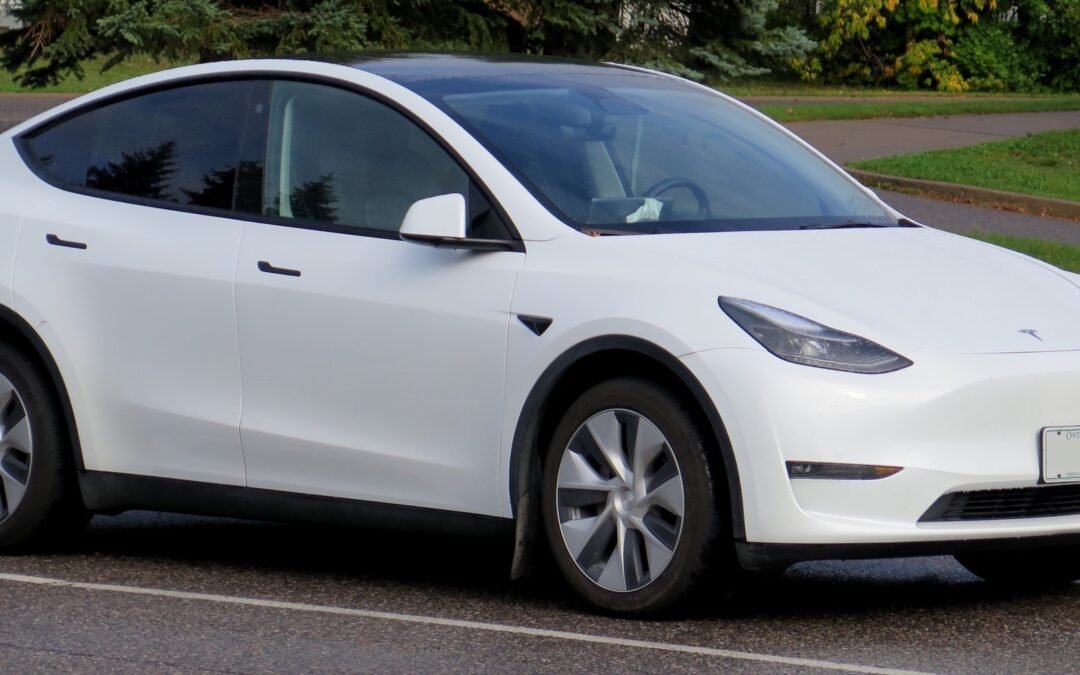
Tesla has planted its first formal corporate flag in Vietnam, opening a fresh front in Southeast Asia’s fast-moving electric-vehicle contest. A newly published business registration filing shows that Tesla Motors Vietnam Limited Liability Company has been established in Ho Chi Minh City. It is an important step toward official vehicle sales in a market where imported Teslas have been seen before, but where the American brand has not yet built a full local retail operation.
A legal foothold, not a showroom launch
According to Reuters, the Vietnamese entity was registered with charter capital of 77.667 billion dong, or about US$3 million. Its authorised activities include wholesale and retail sales of cars and components, along with related import, export and distribution work. That gives Tesla the corporate machinery it would need to sell and support vehicles locally, although no model line-up, pricing, order date or delivery schedule has been announced. For prospective buyers, the distinction matters: the filing signals intent and removes a key administrative hurdle, but it does not mean Model 3 and Model Y orders are immediately open.
Vietnam offers substantial growth potential, but Tesla would be entering the home market of a formidable incumbent. VinFast said it delivered 20,161 EVs domestically in August and 154,073 during the first eight months of 2026. Local brand familiarity, an established sales footprint and products tailored to regional buyers give VinFast a strong defensive position. Tesla must also contend with expanding Chinese brands, including BYD, which are pushing deeper into Southeast Asia with competitive prices and broad model ranges. Tesla’s direct-sales approach, charging plans and after-sales coverage will therefore be just as important as the cars themselves.
BYD pushes batteries and heavy transport
While Tesla prepares a new market entry, BYD is applying pressure on the technology front. Executive vice-president Stella Li said the company plans to put its solid-state battery technology into a demonstration vehicle in 2027. Solid-state cells are widely pursued because they could offer higher energy density and improved safety, but cost, durability and industrial-scale manufacturing remain difficult. BYD chief scientist Lian Yubo has also cautioned that conventional liquid-electrolyte lithium-ion batteries and solid-state systems are likely to coexist for 15 to 20 years. In other words, next year’s vehicle should be viewed as an important validation step rather than an overnight replacement for today’s Blade Battery.
BYD also used the IAA Transportation show in Hanover to unveil the ETT 44 for European heavy transport. The electric tractor carries a 651 kWh Blade Battery, with BYD claiming about 600 kilometres of range and peak charging above 1.5 MW. Under suitable conditions, the company says a 20-to-80-percent recharge can take roughly 20 minutes. Those are manufacturer figures and real-world performance will depend on payload, weather and charging infrastructure, but the package shows how quickly megawatt charging is moving from a standards discussion toward commercial hardware. It also sets up a sharper contest with the Tesla Semi as electric trucks begin tackling longer routes.
What comes next
For EV enthusiasts, the week’s developments highlight two different paths to growth. Tesla is widening its geographic reach while BYD is stretching the technical boundaries of batteries, charging and vehicle categories. Vietnam will reveal whether Tesla can translate global brand recognition into sales against powerful regional competition; BYD’s 2027 test vehicle and European truck rollout will show whether bold specifications can survive production and daily use. Either way, buyers stand to gain as the rivalry expands beyond passenger cars into infrastructure, energy storage and freight.