
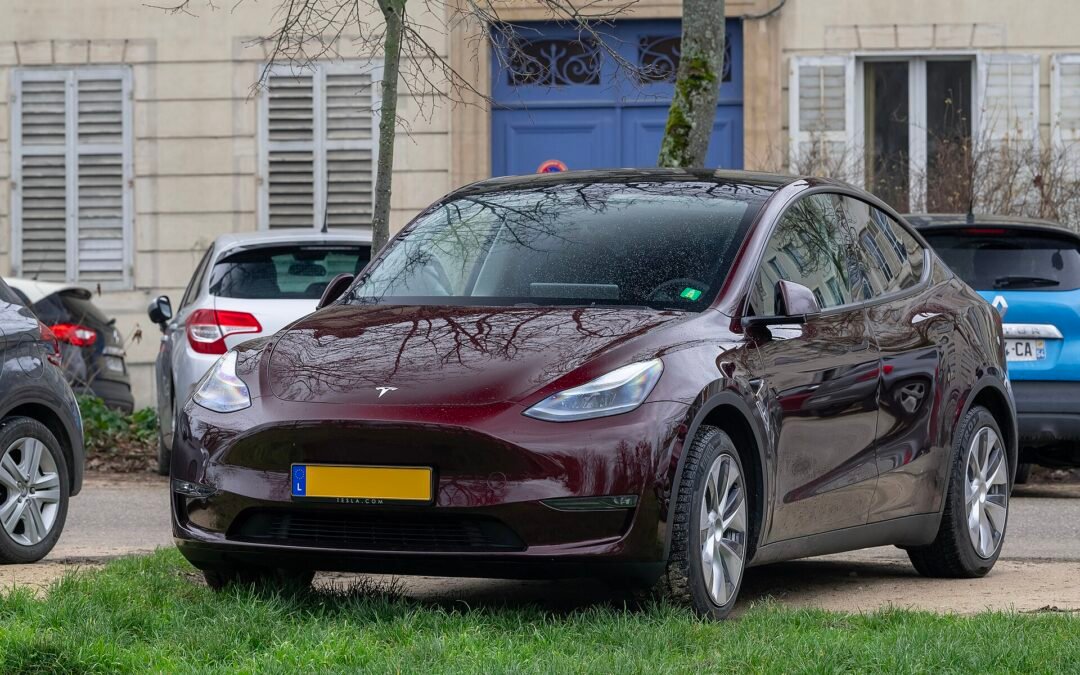
Tesla has delivered a timely jolt of momentum from China. Wholesale sales of Shanghai-built Model 3 and Model Y electric cars reached 93,579 units in July, up 37.8% from 67,886 a year earlier, according to China Passenger Car Association data reported by Reuters and CnEVPost. It was Tesla China’s strongest wholesale month of 2026 so far and extended its run of year-on-year growth to nine consecutive months.
Shanghai output returns to centre stage
The July figure covers both vehicles sold in China and exports from Tesla’s Shanghai plant, so it should not be read as a pure measure of Chinese retail demand. Even so, the rise matters. Gigafactory Shanghai remains one of Tesla’s most important production and export hubs, supplying the fiercely competitive local market as well as customers across other regions. After a mixed global performance, a 38% annual lift shows that Tesla’s high-volume Model 3 and Model Y operation can still generate substantial growth when production, pricing and export demand align.
The result also puts Tesla’s scale into context. BYD reported 419,211 new-energy vehicle sales in July, including battery-electric cars and plug-in hybrids, a 21.8% increase from a year earlier and its best monthly total of 2026. The companies are not reporting identical categories, but both sets of numbers underline the same trend: China’s EV industry is expanding while competition becomes harder, faster and increasingly global. Tesla’s July rebound is encouraging, yet BYD’s breadth across vehicle sizes, price points and powertrains keeps the pressure firmly on.
BYD attacks the cost of ownership
BYD is also using ownership benefits to win customers outside China. In India, the automaker has introduced August festive offers on eligible electric models, with finance rates starting from 7.77%, extended warranty coverage of up to 200,000 kilometres, two years of complimentary maintenance and charging coupons on selected variants. Those incentives target more than the showroom price. For buyers still weighing battery durability, servicing costs and access to charging, a stronger warranty and maintenance package can make an EV feel like a less risky long-term purchase.
Tesla adds another software advantage
Meanwhile, Tesla’s 2026.26 Summer Update is widening across the fleet. The release adds navigation that can prioritise routes a driver has used before, automatic destination suggestions based on routines, a setting for desired battery energy on arrival and broader Grok voice commands on compatible vehicles. Other additions include Supercharger search by name, rear-screen controls and entertainment improvements. Not every feature is available on every car or in every market, but the rollout highlights a continuing Tesla advantage: meaningful cabin and navigation changes can arrive without a dealership visit.
For EV enthusiasts, July’s numbers are a reminder that the market’s biggest contest is no longer only about headline range. Manufacturing scale, exports, finance, warranties, charging support and software are all becoming decisive. Tesla’s Shanghai surge gives the company welcome momentum, while BYD’s volume and ownership incentives show why the race remains wide open. The next test will be whether Tesla can turn a strong wholesale month into sustained local demand as rivals keep expanding their model line-ups.