
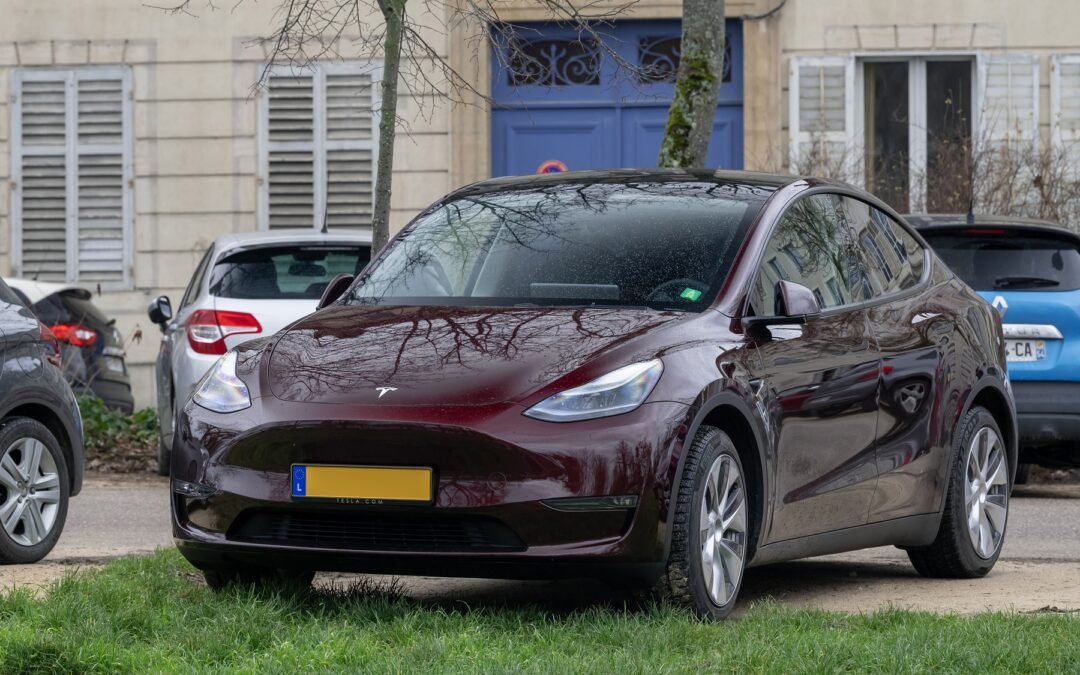
Tesla has produced its 10 millionth electric vehicle, a landmark that captures both the company’s extraordinary influence and the tougher race now unfolding around it. The milestone vehicle was a Diamond Black Model Y built at Tesla’s Fremont factory in California, according to reports published on July 30. Just six years after Fremont turned out Tesla’s one-millionth car, the company has added another nine million—proof that a once-niche manufacturer helped push battery-powered cars into the automotive mainstream.
Ten million cars—and a new phase for Tesla
The achievement is significant because Tesla reached it using an all-electric lineup, something no other dedicated EV maker has yet matched. Production now spans Fremont, Shanghai, Berlin and Texas, while the Model 3 and Model Y remain the volume engines behind the total. Yet the celebratory number arrives with a clear caveat: past scale does not guarantee the next wave of growth. Tesla faces more capable competitors, rapidly changing incentives and buyers who increasingly expect frequent model updates, sharper pricing and faster charging. Its next challenge is therefore not merely building more cars, but converting its manufacturing lead into sustained demand.
BYD finds an opening in Japan
BYD is showing how localised products can unlock difficult markets. Its new Racco electric kei car secured more than 5,000 orders during its first week in Japan, according to Electrek, already putting it more than halfway toward the company’s 10,000-order target for the end of 2026. The Japan-specific city car starts at ¥2.145 million and falls below ¥2 million after a national EV subsidy. That combination of compact dimensions, practical urban range and aggressive pricing takes BYD directly into a category traditionally dominated by Japanese brands. For global EV watchers, the early response matters as much as the raw total: it suggests a foreign manufacturer can gain attention by designing for local habits rather than exporting a one-size-fits-all vehicle.
Charging speed becomes the next battleground
Battery replenishment is accelerating almost as quickly as model competition. A fresh Chinese test from FAW’s Hongqi brand reportedly moved a battery from 10% to 70% in three minutes and 41 seconds, while BYD says its second-generation Blade battery can cover the same window in about five minutes. Zeekr has also demonstrated charging above one megawatt. These are controlled demonstrations and real-world results will depend on battery temperature, charger availability and the vehicle’s charging curve, but the direction is unmistakable. If megawatt-class systems can be deployed economically and consistently, the familiar argument that an EV takes too long to refuel will become much less persuasive.
Rivian’s numbers show progress—and pressure
Rivian supplied another snapshot of the industry’s mixed economics with its second-quarter results. The American EV maker reported revenue of $1.658 billion, up 27% year on year, and record gross profit of $179 million as early R2 deliveries began. Those figures point to improving scale and cost control, although Rivian’s automotive operation still has work to do before profitability is durable. The more affordable R2 is central to that effort: it broadens Rivian beyond premium trucks and SUVs at exactly the moment buyers are demanding greater value.
Tesla’s 10-million-car marker deserves recognition, but the supporting headlines make the bigger story clear. EV leadership is no longer defined by production volume alone. The winners of the next decade will combine scale with locally relevant vehicles, dependable ultrafast charging and businesses that can make money without slowing innovation. For enthusiasts and everyday drivers, that pressure should mean more choice, shorter charging stops and better electric cars.