
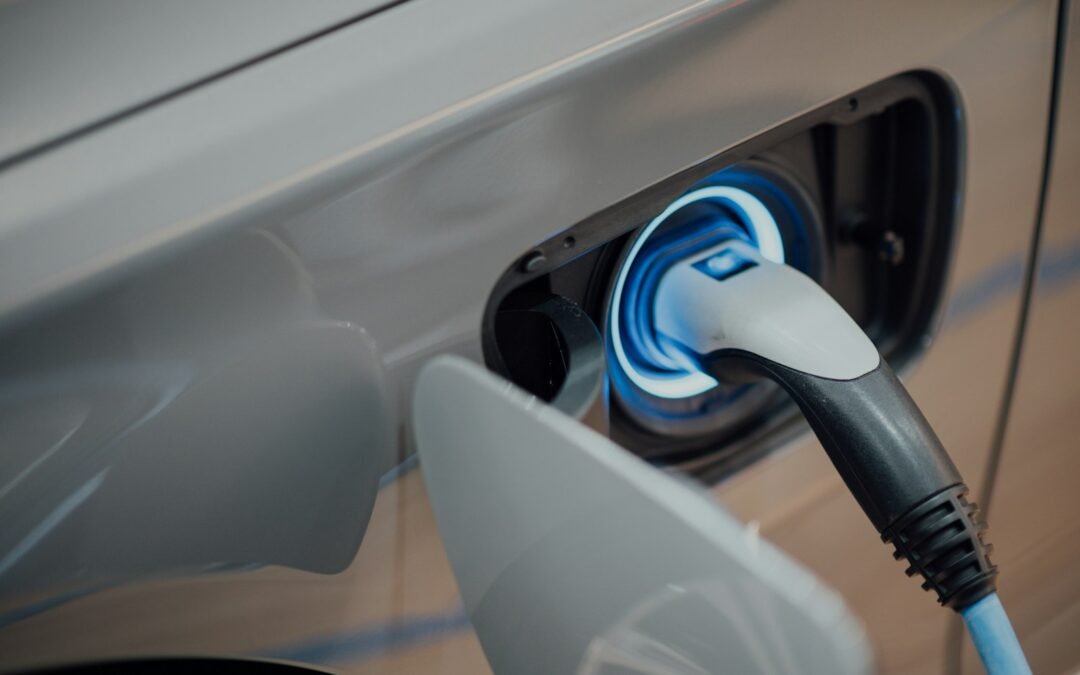
A fresh real-world battery check on a Tesla Model Y has landed at exactly the right moment for EV shoppers: just as more drivers are depending on public fast chargers, the data suggests the battery may be tougher than many people assume.
InsideEVs reported on a Model Y that covered roughly 16,000 miles in six months while being predominantly fast-charged. The headline takeaway was simple but important: the crossover’s battery remained in very healthy condition despite a charging routine that many buyers still worry will accelerate degradation. It is not a laboratory verdict on every EV battery, and one vehicle never tells the whole story, but it adds to a growing body of evidence that modern battery management systems are doing their job.
Why this matters for everyday EV owners
For years, the standard advice has been to charge at home when possible, avoid sitting at 100 percent for long periods, and treat DC fast charging as a road-trip tool rather than a daily habit. That remains sensible guidance. But the latest Model Y example is reassuring because real life is messy. Apartment dwellers, ride-hail drivers, delivery workers and frequent travelers may not have the luxury of a garage outlet every night. If a heavily fast-charged EV can still show strong battery health after months of use, the fear of public charging as a battery killer starts to look overblown.
The timing is also notable because charging networks are becoming a bigger part of the ownership experience. Electrek highlighted a frustration many drivers know well: some chargers marked as “public” in apps can be hard to access in practice, especially when they sit behind dealership gates, operate only during business hours or have confusing pricing. Battery durability is only one side of the confidence equation; drivers also need chargers that are truly available, easy to find and priced clearly.
Charging speed is becoming the next battleground
Meanwhile, the industry is pushing far beyond today’s familiar fast-charging speeds. Electrive reported that BYD plans to deploy its Flash Chargers at Sinopec petrol stations in China, using the oil company’s vast fuel-station footprint to accelerate ultra-fast charging access. BYD’s broader flash-charging pitch is aimed at making EV stops feel closer to gasoline refueling, a powerful idea in markets where long-distance convenience still shapes buying decisions.
Fleet electrification is adding another layer to the story. Electrek’s latest fleet discussion asked what it will take for skeptical operators to accept that electric vehicles are ready for work today, while earlier reporting from InsideEVs noted Amazon has surpassed 50,000 electric delivery vans on the road. Those examples point to the same trend: EVs are moving from early-adopter driveways into high-mileage, business-critical use. When fleets plug in every day, battery life, charger reliability and downtime matter more than marketing claims.
The takeaway for EV enthusiasts is encouraging but practical. Modern electric cars are proving more durable than old myths suggest, and the charging ecosystem is expanding quickly. Still, the next phase will be won not just by bigger batteries or faster peak charging numbers, but by dependable access, transparent pricing and real-world battery health that holds up after thousands of ordinary miles.