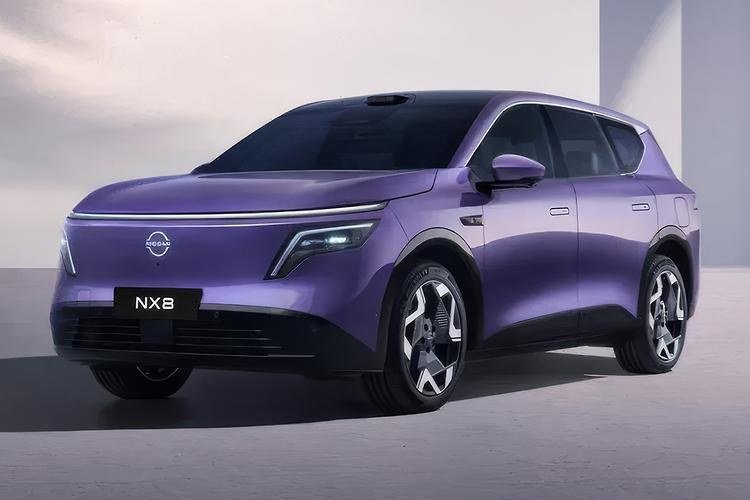
Nissan is preparing to challenge the Tesla Model Y in Australia with a new mid-size electric SUV, signalling that one of Japan’s biggest carmakers is ready to contest the fastest-growing part of the local new-car market. Nissan Oceania managing director Steve Milette has confirmed that more EV announcements are coming, while making clear the future battery-powered model will not simply be an electric X-Trail. The exact badge and launch timing remain under wraps, but the intent is unmistakable: Nissan wants a purpose-built contender in the Model Y’s territory.
A fresh Nissan for a booming segment
According to carsales, Nissan’s local team sees a clear opportunity for a medium battery-electric SUV. The China-market Nissan NX8 is an obvious candidate, although it has not been officially confirmed for Australia. A separately badged EV would allow Nissan to keep the next X-Trail focused on combustion and hybrid power while offering electric-car buyers a model designed around batteries from the outset. Nissan’s Ariya is already gaining ground locally, with year-to-date sales reportedly up 212.2 per cent, albeit from a small base.
The target is formidable. Tesla delivered 4,476 Model Ys in Australia during September, placing the electric SUV third across the entire new-car market. Its newer three-row Model Y L has also demonstrated demand for larger and more expensive EVs. Nissan will therefore need more than a familiar badge: competitive range, rapid charging, strong software and sharp pricing will be essential. The opportunity is equally substantial, with electric SUV sales accelerating as Australian buyers move away from petrol-powered family cars.
BYD and new Chinese brands increase the pressure
Nissan is not entering a two-car race. BYD’s Sealion 7 is now a major local rival, while Geely, Zeekr, XPeng and other Chinese brands continue to widen their Australian line-ups. BYD is also preparing to reveal a heavily revised Atto 1 in China on October 20. Regulatory filings reported by WhichCar point to a larger five-seat body, rear-wheel drive, more power and Blade battery options. Higher-grade versions are expected to showcase BYD’s extremely rapid Flash Charging technology, although Australian specifications and timing have not been announced.
More competition is arriving from Changan as well. Drive reports that its Nevo sub-brand will enter Australia in 2027 with affordable electric and range-extender models. The Q05 small SUV is expected to lead the push, using a 51.9kWh lithium-iron-phosphate battery and a 120kW front motor overseas. A larger Q06, sized against the Model Y and BYD Sealion 7, is expected to follow. That wave of new arrivals will make value, efficiency and ownership support just as important as headline range.
What it means for Australian EV buyers
Australia’s EV market is moving quickly from a Tesla-led niche to a crowded mainstream contest. Electric cars accounted for roughly one in four new vehicles sold in September, and established manufacturers can no longer treat dedicated EVs as side projects. Nissan has history here through the pioneering Leaf, but its next electric SUV must translate that experience into a modern package suited to Australian distances and expectations. If the likely NX8 or a related model combines sensible pricing with dependable charging and dealer support, buyers will gain another credible alternative—and Tesla and BYD will face even stronger pressure to keep improving.